VirtualKeynoteSpeakers

Scott Steinberg · Keynote Speaker, Futurist and Consultant

Virtual Keynote Speakers for Events: Online Webinars, Hybrid Meetings, etc.

The best virtual keynote speakers know how to engage digital and online audiences of all kinds. Success comes down not just to stagecraft, but also production setup, session design and camera work. A futurist keynote speaker and thought leader for 3000+ brands, Scott Steinberg reveals what to check before you book.

Discover what sets a top virtual keynote speaker apart, how to evaluate a presenter before committing, production and technical standards, and booking information.

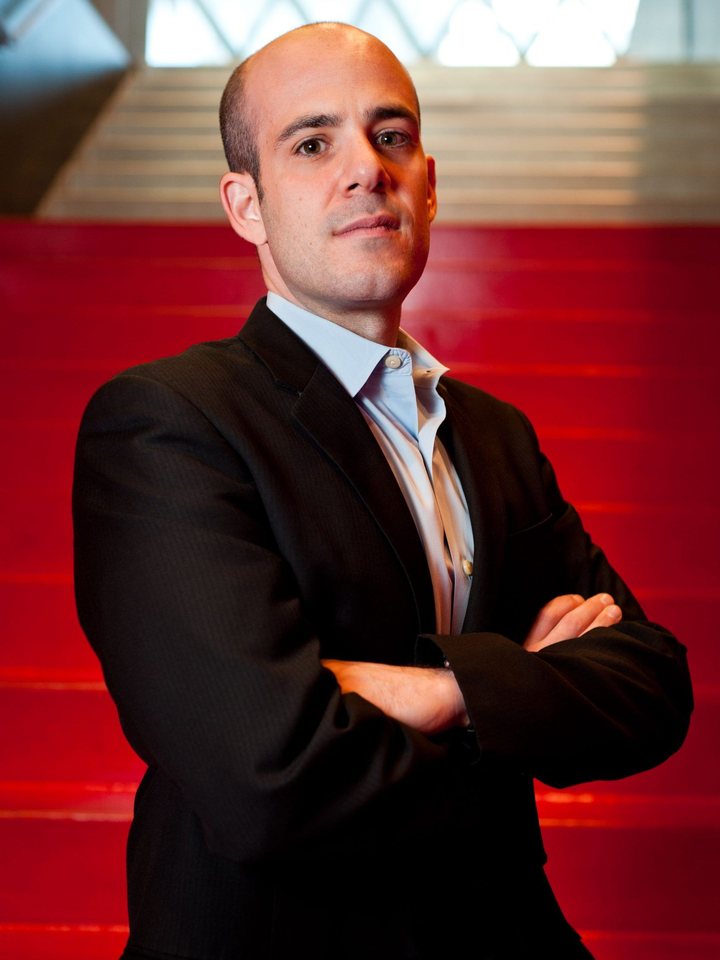
Scott Steinberg, virtual keynote speaker and business trends analyst
Scott Steinberg — virtual keynote speaker and analyst
3,000+
Businesses, startups, governments and Fortune 500 companies advised
25 years
Management, virtual keynote speaker and strategic consulting experience
30+
Books published on technology, marketing, business and innovation
5,000+
Published articles as seen in USA Today, CNN, ABC, NBC, TODAY Show

What to check before booking

Most virtual session outcomes are predictable in advance. These are the things worth asking about, whoever you end up booking.

Production and technical standards

Camera quality, lighting, audio and connection stability determine whether an audience stays or drifts, and audio matters more than video by a wide margin.

A professional virtual keynote speaker will work with you to incorporate any branding elements, signage or set dressing that makes sense for your program.

Session design for remote audiences

A talk written for a stage runs too long, moves too slowly and depends on energy from a room that a remote audience cannot supply.

Sessions built for screen use shorter segments, more frequent shifts and visual pacing that assumes people are competing with their own inbox.

Engagement and interaction methods

Polls, chat, question tools and breakouts work when they are built into the session and fail when bolted on to make it feel interactive.

Ask a speaker how they use interaction rather than whether they do, since the second question gets a yes from everyone.

Platform capability and constraints

Webinar platforms, meeting tools and streaming setups differ in what a speaker can see, how questions arrive and whether the audience is visible at all.

A speaker who has worked your platform before will adapt to those constraints instead of discovering them live.

Rehearsal and contingency planning

A technical rehearsal on the actual platform catches most problems, and its absence is the single best predictor of a session going wrong.

Contingency matters too: what happens if the connection drops, whether a backup line exists, and who makes the call to switch.

Content adaptation from stage to screen

Slides designed for a large room are unreadable in a browser window, and stories built on physical presence lose their effect entirely.

Ask whether the session is adapted for digitial, online, webinar and livestreaming audiences, because the difference is obvious to an audience.

Hybrid event delivery

Hybrid is harder than either format alone because the remote audience is easy to abandon once a speaker can see people in front of them.

Sessions that work hybrid are designed for the remote audience first and treat the in-room audience as the bonus.

Evaluating speaker fit for online formats

Stage footage tells you very little about how someone performs remotely, and reputation built in ballrooms does not transfer automatically.

Ask for recorded virtual sessions specifically, and watch whether they hold your attention for the first five minutes without you checking something else.

Booking Scott

Sessions are built for your program after a planning call, and the technical setup is confirmed with your production team before the date rather than on it.

Virtual keynote speaker talk

A remote main-stage session built for your program, typically 30 to 45 minutes since attention online runs shorter than in a room.

Remote executive briefing

A closed leadership session where discussion works better than presentation, sized for a group small enough to actually talk.

Online webinar workshop

A working session with structured exercises and breakout use, built to produce decisions rather than passive viewing.

Hosted virtual session

Fireside, panel moderation or interview formats delivered remotely, where the room needs a guide more than a presenter.

About Scott Steinberg

Scott Steinberg is a futurist keynote speaker, consultant and business trends expert with over 25 years of experience advising more than 3,000 businesses and brands, from startups to government agencies and Fortune 500 firms.

He is the author of over 30 books and has published more than five thousand articles covering technology, marketing, leadership, innovation, advertising and digital transformation. He appears regularly on ABC, CBS, CNN and NBC.

He has led seminars, keynotes and training programs for organizations including Wells Fargo, the PGA Tour, Century 21, Ford, Dell and Procter & Gamble, and has been recognized by the International Association for Scholastic Excellence, Fortune and the 21st Century Icon Awards.
Common questions from counsel

What actually makes a virtual keynote work?

Solid production quality, a session designed for screen rather than adapted from a stage version, interaction built into the structure, and a technical rehearsal beforehand. Talent matters, and extensive preparation separates a strong remote session from a weak one.

How long should a virtual keynote be?

Shorter than an in-person one. Thirty to forty-five minutes is usually right, where sixty is standard on a stage. Attention online is competing with everything else on the same screen, and a session that runs long loses people rather than covering more.

What should I ask a speaker before booking?

What their camera, lighting and audio setup is, whether they will do a technical rehearsal on your actual platform, what happens if their connection fails mid-session, and whether they can send a recorded virtual session rather than stage footage. Those four answers tell you most of what you need.

Is hybrid harder than fully virtual?

Yes, considerably. The remote audience gets abandoned the moment a speaker can see live faces, and most hybrid sessions end up being in-person events that happen to be streamed. Sessions that work are designed for the remote audience first.

What is included when booking Scott?

A planning call to build the session against your program, a technical rehearsal on your platform with your production team, a dedicated broadcast setup rather than a laptop, and a backup connection. The rehearsal is standard rather than something to negotiate.

Check availability

Share your date, audience, platform and program theme for a quick answer on availability and fit. A technical check with your production team is included as standard.

Telephone
Availability
Engagements accepted nationwide and internationally

Ask any speaker this

WWhat is your backup if your connection drops mid-session and can you do a technical rehearsal on the actual platform beforehand. The answers help you pick the right virtual keynote speakers.